

Scents That Help You Sleep: The Essential Guide to Aromatherapy for Your Bedroom
‘Sleep tourism’ has become one of the hottest travel trends of 2026, but here’s the thing – you don’t need to book an expensive spa retreat to experience the sleep-enhancing benefits of aromatherapy.
Your bedroom can become your own personal sanctuary for better rest, and it starts with understanding how scents work their magic.
Scientists have discovered something remarkable: specific fragrances can activate the exact areas of your brain responsible for relaxation and stress reduction. These scents essentially tell your body it’s time to unwind. Whether you’re struggling to fall asleep or looking to improve your sleep quality, the right aromatherapy approach can make all the difference.
Ready to transform your bedtime routine? You’ll discover which essential oils deliver the best results for sleep, understand exactly how these natural scents influence your brain, and learn simple ways to bring these powerful aromas into your bedroom tonight.
Understanding How Aromatherapy for Sleep Works
Why do essential oils have such a powerful effect on your sleep?
The answer lies in the remarkable way your brain processes scent. Your nose contains specialised olfactory receptors that detect scent molecules the moment you breathe in an essential oil. These receptors work like tiny messengers, sending immediate signals through your olfactory nerve straight to your brain.
What makes this process so fascinating is where these signals go next. They travel directly to your limbic system – a collection of brain structures including the amygdala and hippocampus. This direct pathway explains why a single whiff of lavender can instantly shift your mood or why certain scents trigger powerful memories.
Your limbic system and hypothalamus respond to these scent signals by releasing specific hormones. Serotonin helps regulate your mood and sleep cycle, whilst endorphins reduce pain perception and dopamine influences your motivation and pleasure responses. This hormonal release begins within just 15 minutes of inhaling essential oils. That’s why sleep scents can shift your body from feeling wide awake to perfectly primed for rest.
The Science Behind Scents and Sleep
Brain wave studies reveal something remarkable about how essential oils change your sleep patterns. Alpha waves, which indicate those frustrating brief sleep interruptions, actually decrease when you’re exposed to certain essential oils. Meanwhile, delta waves – the ones associated with deep, restorative slow-wave sleep – increase significantly.
Take lavender, for example. This popular sleep scent promotes slow-wave sleep, which plays a crucial role in cerebrospinal fluid flow and helps remove toxic materials from your brain. Essentially, the right scents don’t just help you fall asleep – they help you sleep better.
How Your Sense of Smell Affects Sleep Quality
The relationship between smell and sleep works in both ways. Your circadian rhythm influences how sensitive you are to scents throughout the day, with naturally lower sensitivity at night helping encourage sleep onset. Sleep itself affects how you perceive and remember different aromas.
Studies demonstrate that specific scents can influence how long it takes you to fall asleep and your overall sleep quality. This happens through direct interaction between your olfactory system and sleep control areas in your brain, or indirectly through how scents affect your arousal levels and breathing patterns.
Recent research on COVID-19 survivors provides compelling evidence of this connection. Those who lost their sense of smell experienced notably poorer sleep quality, highlighting just how important olfaction is for good rest.
Here’s something particularly interesting: your brain’s response to pleasant scents differs dramatically from unpleasant ones. Studies involving 139 participants revealed that how much you enjoy a scent matters more than the specific oil itself. Participants who rated scents as more pleasant reported feeling significantly more rested. This means your personal preference drives much of aromatherapy’s sleep-enhancing power.
The Role of Essential Oils in Promoting Relaxation
Essential oils promote relaxation by activating your parasympathetic nervous system – your body’s “rest and digest” mode – whilst calming sympathetic nerve activity. Components like linalool and linalyl acetate in lavender work directly on your hypothalamus, pituitary gland, and olfactory nerves to trigger calming emotional responses. This activation naturally slows your heart rate and lowers blood pressure, creating perfect physiological conditions for sleep.
Your body’s stress response system also benefits from essential oil inhalation. Bergamot oil inhaled for 30 minutes before bedtime resulted in an impressive 18% reduction in stress hormone cortisol and a 23% improvement in sleep quality scores. Similarly, just 15 minutes of lavender inhalation increased heart rate variability by 17%, reflecting enhanced relaxation alongside decreased heart rate and blood pressure.
Different essential oils work on multiple brain chemical systems beyond just stress hormones. Bergamot boosts serotonin levels, promoting mood stability and reducing arousal. Ylang-ylang affects dopamine in brain areas that regulate REM sleep. Sandalwood influences brain receptors that decrease certain neurotransmitters, leading to longer periods of non-REM sleep. These varied actions explain why different essential oils produce such distinct effects on your sleep quality.
Which essential oils deliver the best sleep results?
Six essential oils have earned their place as bedroom gamechangers. Each oil tackles different sleep challenges, so you can find the perfect match for your specific needs.
Lavender: Your Go-To Sleep Champion
There’s a reason lavender tops every sleep expert’s list. A review of 20 randomised controlled trials found that 14 showed positive intervention effects on sleep quality. Your brain responds to lavender by increasing time spent in N3 deep sleep from 19.4% to 21.9% of total time in bed. This boost in slow-wave sleep matters because it helps your brain clear out toxic materials whilst you rest.
Here’s what makes lavender special: it works best when you use it consistently for two weeks or longer. Brief usage won’t give you the results you’re after. The oil naturally reduces your heart rate and blood pressure whilst decreasing alpha wave activity across your brain, particularly in your motor cortex and frontal lobes.
Chamomile: Perfect for Racing Thoughts
Struggling with bedtime anxiety? Roman chamomile might be your answer. A systematic review of 10 clinical trials found that 9 studies concluded chamomile effectively reduces anxiety. The secret lies in apigenin, a compound that binds to GABA receptors in your brain. Think of it as nature’s way of producing sedative effects similar to pharmaceutical sleep aids, but without the nasty side effects.
Studies using chamomile capsules with dosages ranging from 250 mg to 2 g daily reported significant improvements in anxiety symptoms. Patients with generalised anxiety disorder who used chamomile long-term experienced better psychological well-being alongside improved blood pressure and weight profiles.
Rose: For Deep, Quality Rest
Rose essential oil aromatherapy reduced anxiety and improved sleep quality in burn patients, suggesting this approach as a complementary therapeutic method. The oil contains compounds like 2-phenylethanol and citronellol that produce calming effects, alongside flavonoids quercetin and kaempferol that bind to GABA receptors. Studies confirm that inhalation aromatherapy with rose significantly increases sleep quality in adults whilst reducing sleep disturbances.
Jasmine: The Peaceful Sleep Secret
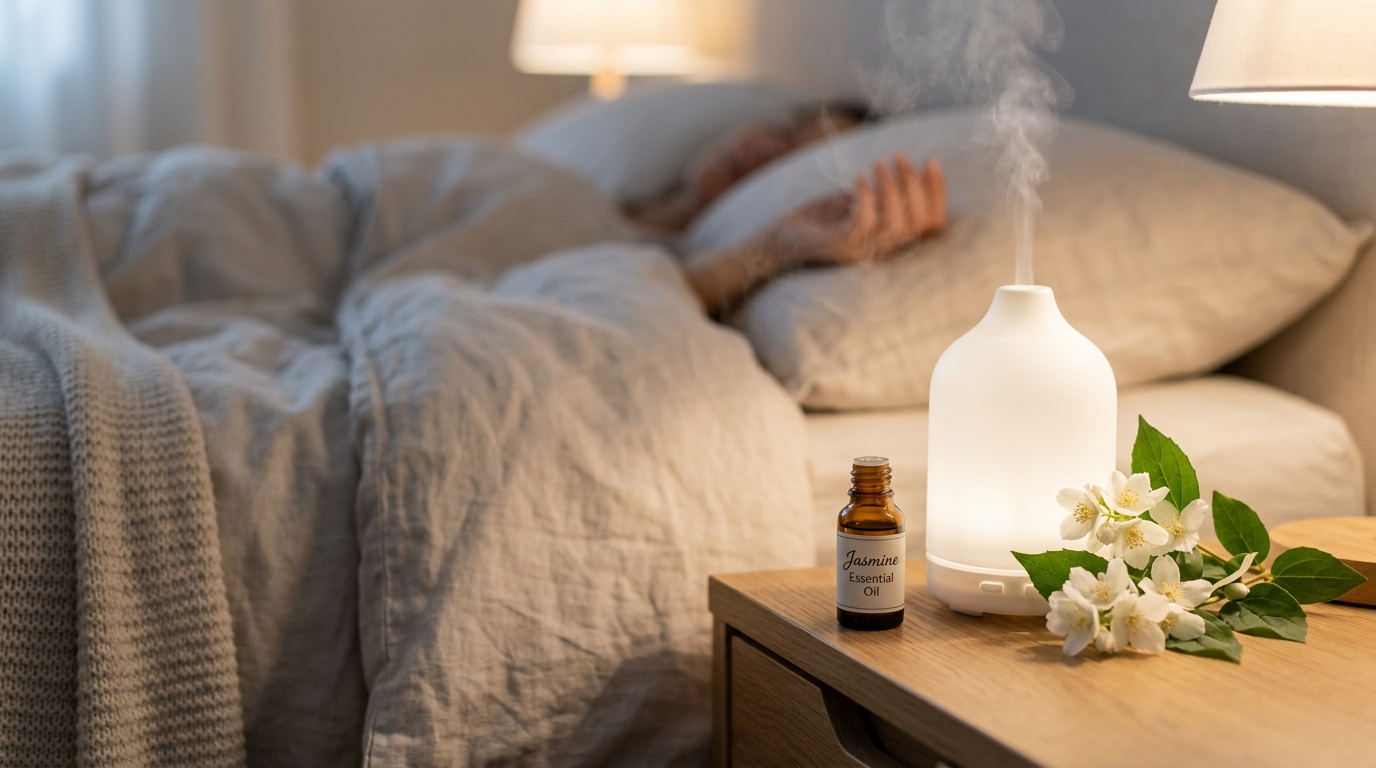
Want to know something fascinating? A study monitoring 20 people over three nights found jasmine created more peaceful sleep than lavender or no scent. Participants moved less during the night when exposed to jasmine-infused spaces. Those sleeping with jasmine scents completed mental function tests more quickly and accurately upon waking, suggesting more productive sleep. They reported feeling less anxiety after waking and maintained higher afternoon alertness the following day.
Ylang-Ylang: Your Nervous System’s Best Friend
Research on 42 cardiac patients showed that an essential oil blend featuring ylang-ylang significantly enhanced sleep quality. Inhalation of ylang-ylang decreases your systolic and diastolic blood pressure whilst reducing heart rate. This sedative effect on your autonomic nervous system relieves your arousal level, naturally preparing your body for rest.
Sandalwood: When You Need Grounding
Feeling overwhelmed or stressed? Sandalwood’s woody aroma promotes relaxation by calming frayed nerves. The alpha-santalol in sandalwood oil relaxes and sedates your nervous system. Research shows sandalwood increases non-REM sleep amounts, helping you transition through the first sleep stage more effectively.
Additional Relaxing Scents for Your Bedroom
The six essential oils we’ve covered are just the beginning. Four more scents deserve a place in your bedroom arsenal, each targeting specific sleep challenges that might be keeping you awake.
Cedarwood for Quick Sleep Onset
Struggling to actually drift off once your head hits the pillow? Cedarwood oil contains cedrol, a natural compound that triggers serotonin release in your brain. Here’s where it gets interesting – this serotonin converts into melatonin, your body’s natural sleep hormone.
Research shows cedarwood improves sleep quality across different age groups, from young healthy adults to older adults with dementia. The key is consistency – researchers recommend using cedarwood oil for at least 20 nights to see real effects. Its warm, woody aroma won’t overwhelm your senses, and it’s even safe for children as young as two years old.
Vetiver for Mental Exhaustion
Known as the “oil of tranquillity” in India and Sri Lanka, vetiver earned this nickname for good reason. When your mind feels scattered after demanding days, vetiver’s rich, earthy aroma provides the grounding support you need. The oil soothes mental fatigue and restores emotional balance, particularly helpful during stressful periods.
Unlike energising scents, vetiver encourages deep relaxation and serves as an excellent alternative to lavender if you’re looking for something different. Think of it as your go-to when mental exhaustion is your biggest sleep obstacle.
Bergamot for Irritability and Tension
Don’t let bergamot’s citrus nature fool you – this oil actually promotes sleep rather than alertness. A study with 48 university students found significant improvements in how refreshed they felt upon waking, plus longer sleep duration. Even better, participants experienced notable improvements in depression, anxiety, and stress levels.
The fresh, citrusy scent works by triggering dopamine and serotonin release in your brain. Perfect when irritability and tension from the day are making it hard to wind down.
Vanilla for Comfort and Safety
Sometimes you need more than just relaxation – you need comfort. Vanilla’s warm, sweet scent creates associations with safety in your brain’s emotion-controlling limbic system. The aroma reduces hyperactivity and restlessness, making it ideal after particularly busy days.
Research reveals vanilla’s mild sedative effects decrease startle responses whilst lowering heart rate and blood pressure. The comforting properties help quiet racing thoughts, creating that grounded, peaceful feeling your bedroom should provide.
How to Use Sleep Scents Effectively in Your Bedroom
Knowing which essential oils work best is just the beginning. The real magic happens when you choose the right method to bring these sleep-promoting scents into your bedroom routine.
Essential Oil Diffusers
Ultrasonic diffusers are your best friend for bedroom aromatherapy. Fill the water reservoir to the indicated line, add 5 to 10 drops of your chosen essential oil, and adjust the mist intensity based on your room size. Start your diffuser 20 to 30 minutes before you plan to sleep, giving the fragrance time to fill your space. Most sleep experts suggest running your diffuser for 60 to 90 minutes – long enough for your brain to respond without wasting precious oils. Position it 4 to 8 feet from your bed so you get the benefits without feeling overwhelmed.
Want something more powerful? Waterless diffusers deliver pure essential oils without dilution, providing 3 to 5 times stronger therapeutic benefit than water-based alternatives. These units run whisper-quiet at under 30 decibels, and premium models feature auto-pause cycles that prevent scent fatigue whilst ensuring consistent aromatherapy throughout your sleep window.

Pillow Sprays and Linen Mists
Here’s a simple routine that works beautifully: shake your pillow spray well before each use, as oils naturally separate. Hold the bottle at least 30 centimetres away from your pillow and bedding, then lightly mist the area. Don’t soak the fabric – a gentle spritz does the job perfectly. Wait a few minutes for the spray to settle before you lie down.
The results speak for themselves. Studies comparing pillow spray to placebo found remarkable outcomes: 97% of users said they slept better than normal, 98% felt more refreshed come morning, and 100% said they’d recommend it to a friend.
Aromatherapy Candles
Light your sleep candles 30 minutes before bed to create that perfect relaxing atmosphere. However, here’s something important – fire services strongly recommend flameless LED candles instead of traditional ones. If you do choose real candles, never leave them unattended, use proper heat-resistant holders, and keep flames well away from curtains and soft furnishings. Always extinguish all candles before leaving the room or going to sleep. Why the caution? Candles cause over 800 fires in UK homes every year.
Bath Oils and Salts
Transform your evening bath into a sleep sanctuary. Add 1 to 2 capfuls of bath oil to your water and swirl to disperse. For bath salts, sprinkle 2 to 3 handfuls under warm running water and let them fully dissolve before stepping in. Making your own blend? Dilute 5 to 20 drops of essential oil with a tablespoon of carrier oil before adding to your bath.
Reed Diffusers for Continuous Fragrance
Reed diffusers offer the perfect set-and-forget solution for bedroom aromatherapy. Simply remove the stopper and place the reeds into the vessel – they’ll absorb the oils and gently release fragrance throughout your space. Flip the reeds weekly to refresh the scent, and expect your diffuser to last between two to four months. Keep them away from radiators or direct sunlight, as heat makes the oils evaporate faster.
Scents to Avoid Before Bedtime
Not every scent will help you drift off peacefully. Some fragrances can actually keep your mind buzzing when you need it to wind down.
Strong Citrus Fragrances
Lemon, orange, and grapefruit scents are brilliant for your morning routine, but they’re the last thing you want wafting around your bedroom at night. These bright, zesty aromas are designed by nature to energise and invigorate. Save your citrus blends for when you need a natural wake-up call, not when you’re trying to settle down for sleep.
Coffee and Chocolate Aromas
Your brain has built powerful associations between these scents and alertness. Even if you’re smelling decaffeinated coffee, your senses still receive stimulating signals. Chocolate contains natural caffeine, which blocks the very brain receptors that make you feel drowsy. Research confirms that caffeine consumed anywhere from 18 minutes to 6 hours before bedtime can seriously disrupt your sleep quality.
Peppermint and Eucalyptus
These minty scents work wonderfully for clearing your head and opening your airways, but that’s exactly the problem at bedtime. They promote mental clarity and alertness when you need the opposite effect. Keep these refreshing oils for your daytime aromatherapy sessions instead.
Spicy Scents Like Cinnamon
Cinnamon and other warming spices can raise your heart rate and stimulate circulation. These fragrances enhance focus and mental sharpness – perfect qualities for your workspace, but counterproductive when you’re preparing your body for rest.
The key is choosing scents that signal relaxation rather than stimulation to your brain.
Conclusion
Sleep scents offer you a simple, natural way to create better rest right in your own bedroom. No expensive hotel stays required. You’ve discovered how lavender can boost your deep sleep, why jasmine works wonders for sleep efficiency, and which scents to steer clear of before bedtime.
What makes aromatherapy so appealing? It’s incredibly straightforward to get started. Pick a diffuser, grab some pillow spray, or add a few drops to your evening bath – any of these methods can make a real difference to your sleep quality.
Choose one scent that resonates with you and commit to using it consistently for at least two weeks. That’s when you’ll start noticing the changes. Your sleep sanctuary is just a few drops away from becoming the restful retreat you’ve been dreaming of.
Key Takeaways
Transform your bedroom into a sleep sanctuary using scientifically-proven aromatherapy techniques that naturally promote deeper, more restful sleep.
- Lavender increases deep sleep by 2.5%, whilst jasmine improves sleep efficiency and reduces nighttime movement for more peaceful rest.
- Essential oil diffusers work best when started 20-30 minutes before bedtime, allowing scents to activate your brain’s relaxation pathways.
- Avoid citrus, coffee, peppermint, and spicy scents before bed as they increase alertness and interfere with your body’s natural wind-down process.
- Consistent use for at least two weeks produces the most significant sleep improvements, as your brain adapts to the aromatherapy routine.
- Bergamot reduces cortisol by 18% and improves sleep quality by 23%, making it particularly effective for stress-related sleep issues.
The key to success lies in choosing scents that appeal to you personally and using them consistently. Your brain’s response to pleasant aromas matters more than the specific oil itself, so experiment to find your perfect sleep-promoting blend.
FAQs
Q1. Which scents are most effective for promoting better sleep? Lavender is the most researched and effective sleep scent, proven to increase deep sleep by 2.5%. Other excellent options include chamomile for easing anxiety, jasmine for improving sleep efficiency, sandalwood for grounding and stress relief, and bergamot for reducing cortisol levels by 18%. Each scent works differently, so choose based on your specific sleep challenges.
Q2. How should I use essential oils in my bedroom for sleep? Start diffusing essential oils 20-30 minutes before bedtime, using 5-10 drops in an ultrasonic diffuser positioned 4-8 feet from your bed. Alternatively, use pillow sprays by lightly misting your bedding from 30 centimetres away, or add bath oils to warm water before sleep. For continuous fragrance, reed diffusers work well without requiring supervision.
Q3. Are there any scents I should avoid before bedtime? Yes, avoid strong citrus fragrances like lemon and orange, as they increase alertness. Coffee and chocolate aromas stimulate wakefulness, whilst peppermint and eucalyptus promote mental clarity rather than relaxation. Spicy scents like cinnamon can raise your heart rate and enhance focus, making them unsuitable for nighttime use.
Q4. How long does it take for aromatherapy to improve sleep quality? Consistent use for at least two weeks produces the most significant sleep improvements, as your brain adapts to the aromatherapy routine. Some effects, like reduced heart rate and blood pressure, can occur within 15 minutes of inhalation, but lasting changes to sleep quality require regular, sustained use over multiple weeks.
Q5. Can aromatherapy really help with sleep-related anxiety? Yes, certain essential oils effectively reduce bedtime anxiety. Chamomile contains apigenin, which binds to GABA receptors in the brain to produce calming effects. Bergamot reduces cortisol by 18% and improves sleep quality by 23%, whilst ylang-ylang calms the nervous system by decreasing blood pressure and heart rate. These oils activate your parasympathetic nervous system, naturally preparing your body for rest.