

Signs That Your Dog Is In Distress And Needs Grooming
Dogs often show discomfort through subtle changes long before problems become obvious. Excessive scratching, persistent licking, or scooting can indicate skin or coat issues that a grooming session may help resolve. Tangled fur, strong odors, or buildup around the eyes and ears are other clear warnings. Long nails that affect walking or clicking loudly on floors can also cause stress and pain. Listening to these signals protects your dog’s comfort and mood.
Behavior And Coat Clues To Watch
If your dog avoids brushing or hides when the bath comes out, it may be reacting to discomfort from mats or sensitive skin. Repeated head shaking or ear scratching can point to wax buildup or irritation that needs gentle cleaning. Redness, dandruff, or greasy patches suggest the skin’s balance is off and could benefit from a careful bath with suitable products. Matted fur often pulls at the skin, which hurts and may make your dog irritable, restless, or withdrawn. Many families look for calm, compassionate dog grooming in Dadeland when these signs appear together.
Why Timely Care Restores Comfort
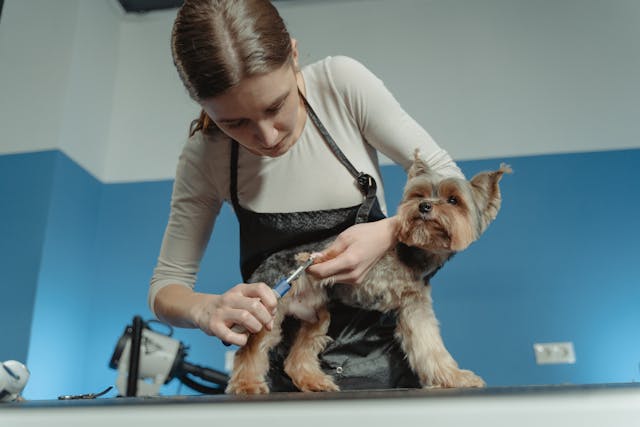
A professional can safely remove mats, trim nails to a comfortable length, and clean ears to reduce itching and odor. Balanced shampoos and conditioners restore moisture, while careful drying prevents trapped dampness that causes irritation. Groomers also watch for parasites or hot spots and can recommend a veterinary visit when needed. Once discomfort is addressed, behavior typically improves quickly as your dog relaxes. Comfort and confidence return when grooming is timely and gentle.
Conclusion
Distress cues are your dog’s way of asking for help, and grooming is often the first, kindest response. When you act early, you prevent bigger problems and keep your dog feeling safe and calm. Regular care turns potential stress into a simple, soothing routine. Over time, your dog learns to trust the process and stay comfortable. Paying attention to small changes makes a big difference in daily wellbeing.