

When You Should Call Professionals For Mold Removal
Mold growth is a serious issue that many homeowners underestimate until it becomes overwhelming. What begins as a small discoloration or musty smell can quickly evolve into widespread contamination. Mold thrives in hidden spaces such as walls, ceilings, crawlspaces, and HVAC systems, allowing it to spread undetected. While minor surface mold may seem manageable, many situations require professional intervention to prevent health risks and structural damage. Knowing when to call professionals ensures the issue is addressed safely and completely. Delaying action or relying on improper removal methods often increases both costs and exposure. Understanding the warning signs helps homeowners protect their health, property, and peace of mind.
Visible Mold Covers Large or Multiple Areas
One clear indicator that professional mold removal is necessary is widespread visible mold. When mold covers large sections of walls, ceilings, floors, or multiple rooms, surface cleaning will not be sufficient. Large growth areas often indicate that mold has penetrated deeper into building materials. Porous materials such as drywall, insulation, and wood absorb moisture and allow mold colonies to grow internally. Attempting to scrub these materials can release spores into the air, increasing contamination. The size and spread of visible mold help determine the severity of the issue. Extensive growth requires professional containment and removal methods.
Mold Returns After Cleaning Attempts
Repeated mold growth after cleaning is a strong signal that the underlying problem has not been resolved. Homeowners may use household cleaners or bleach, only to find mold returning weeks later. This recurrence often means moisture sources remain active or mold exists behind surfaces. Surface treatments do not address spores embedded within materials. Each recurrence allows mold to spread further and worsen indoor air quality. Professionals identify why mold keeps returning and eliminate its origin. Repeated regrowth should never be ignored.
Health Symptoms Appear or Worsen Indoors
Health concerns are one of the most important reasons to call mold removal professionals. Mold exposure can cause coughing, wheezing, sinus irritation, headaches, and fatigue. Individuals with asthma, allergies, or compromised immune systems may experience severe reactions. When symptoms improve outside the home and worsen indoors, environmental contamination should be suspected. Children and older adults are especially vulnerable to prolonged exposure. Professionals follow strict safety protocols that protect occupants during remediation. Health‑related warning signs should prompt immediate professional evaluation.
Mold Is Present After Water Damage or Flooding
Homes that have experienced flooding, burst pipes, roof leaks, or sewage backups are at high risk for mold growth. Even if visible water is removed, moisture may remain trapped behind walls or beneath flooring. Drying the surface does not guarantee materials underneath are free from dampness. Mold can develop within 24–48 hours after water exposure. Hidden contamination often spreads long after the initial event. Professional mold removal addresses both cleanup and moisture control. Post‑water damage mold almost always requires expert intervention.
Mold Is Found in HVAC Systems or Ductwork
Mold inside HVAC systems presents a serious health hazard because spores are circulated throughout the entire home. Signs include musty odors from vents, visible mold around registers, or recurring dust buildup. Household cleaning cannot safely address contamination inside ductwork. Mold in HVAC systems exposes every room in the home to spores. Professional remediation includes specialized equipment to clean, contain, and sanitize air systems safely. If left untreated, HVAC mold continually recontaminates living spaces. Mold in air systems always warrants professional removal.
Structural Materials Show Signs of Damage
Mold does not simply sit on surfaces—it consumes organic materials over time. Soft drywall, warped floors, deteriorating wood, or sagging ceilings suggest prolonged moisture exposure. Structural weakening can occur when mold is left untreated for extended periods. Removing affected materials improperly can worsen damage or create unsafe conditions. Professionals evaluate what materials can be salvaged and what must be removed. Correct remediation protects the integrity of the home. Structural signs indicate mold has progressed beyond minor stages.
You Cannot Identify the Moisture Source
Mold removal without moisture correction is ineffective. When homeowners cannot locate the source of moisture, professional assessment is essential. Hidden plumbing leaks, roof failures, condensation issues, or foundation intrusion can sustain mold growth. Professionals use moisture meters and imaging to identify concealed water sources. Eliminating these sources prevents mold recurrence. Attempting removal without addressing moisture guarantees future outbreaks. Professional diagnosis ensures lasting results.
DIY Removal Feels Unsafe or Overwhelming
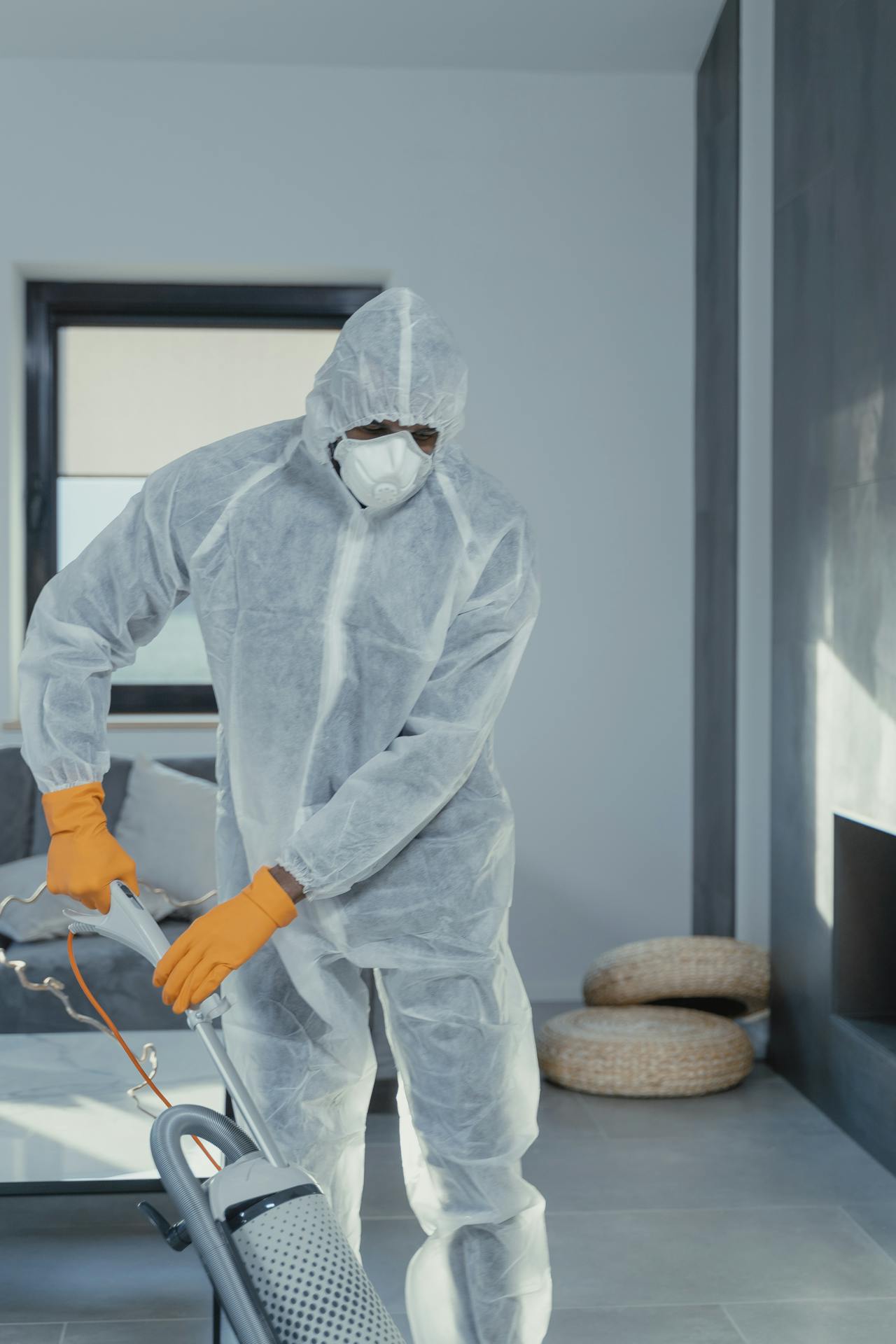
If mold removal feels physically difficult or unsafe, it should not be attempted alone. Protective gear, containment barriers, and ventilation are required to prevent spore inhalation. Many homeowners lack the equipment necessary for safe removal. Attempting cleanup while feeling unsure increases risk of exposure. Professional teams are trained to handle hazardous environments safely. Trusting your instincts can prevent injury or illness. When removal feels beyond your capacity, professionals should be called.
Insurance Involvement Requires Proper Documentation
Many mold situations involve insurance coverage that requires specific documentation. Proper reports, moisture readings, and photographs support valid insurance claims. Incomplete or incorrect handling may affect coverage eligibility. Professionals understand how to document mold removal properly. Working with experts ensures compliance with insurer expectations. Accurate documentation protects homeowners financially. Insurance involvement is a strong reason to use professionals.
Local Expertise Improves Safety and Compliance
Local restoration experts understand regional building practices and environmental conditions. A Stamford, CT restoration company is familiar with climate‑related moisture issues and housing construction common to the area. Regional experience improves assessment accuracy and remediation effectiveness. Professionals follow local regulations and safety standards. Compliance protects homeowners legally and financially. Local expertise strengthens long‑term outcomes.
Peace of Mind Comes From Professional Remediation
Perhaps the most valuable benefit of hiring professionals is peace of mind. Knowing mold has been removed completely and safely allows families to return home confidently. Professional remediation reduces worry about hidden contamination or health risks. Experts ensure the job is done thoroughly rather than temporarily. Peace of mind extends beyond cleanup into everyday living. Confidence in your home’s safety is invaluable. Professional mold removal provides lasting reassurance.
Conclusion
Mold contamination becomes serious quickly and should never be underestimated. Large growth areas, health symptoms, HVAC contamination, and past water damage signal the need for professional removal. DIY efforts often worsen the problem and increase risk. Professionals provide proper equipment, moisture correction, and safe removal methods. Expert documentation supports insurance claims and compliance. Acting early prevents further damage and protects wellbeing. Knowing when to call professionals keeps your home safe and secure.