

A Beginner’s Guide To Caring For Bees
Caring for bees is both a responsibility and a rewarding experience for new beekeepers. Healthy colonies depend on consistent attention, proper environment, and informed decision making. While bees are largely self–sufficient, they rely on beekeepers to step in when conditions threaten the hive. Beginners who understand basic care principles are far more likely to succeed. Learning the fundamentals early creates a strong foundation for long–term beekeeping.
Understanding Bee Colony Structure
A bee colony operates as a unified system made up of workers, drones, and a queen. Each bee has a specific role that supports survival and productivity. Workers handle tasks such as foraging, cleaning, nursing, and defense. The queen’s primary role is reproduction, which sustains colony growth. Understanding these roles helps beginners recognize normal hive activity.
Providing Proper Hive Placement
Hive placement directly affects colony health. Bees thrive in areas with access to flowering plants and fresh water. Morning sunlight helps warm the hive and encourages early activity. Protection from strong winds and excess moisture reduces stress on the colony. Thoughtful positioning supports productivity and stability.
Performing Regular Hive Inspections
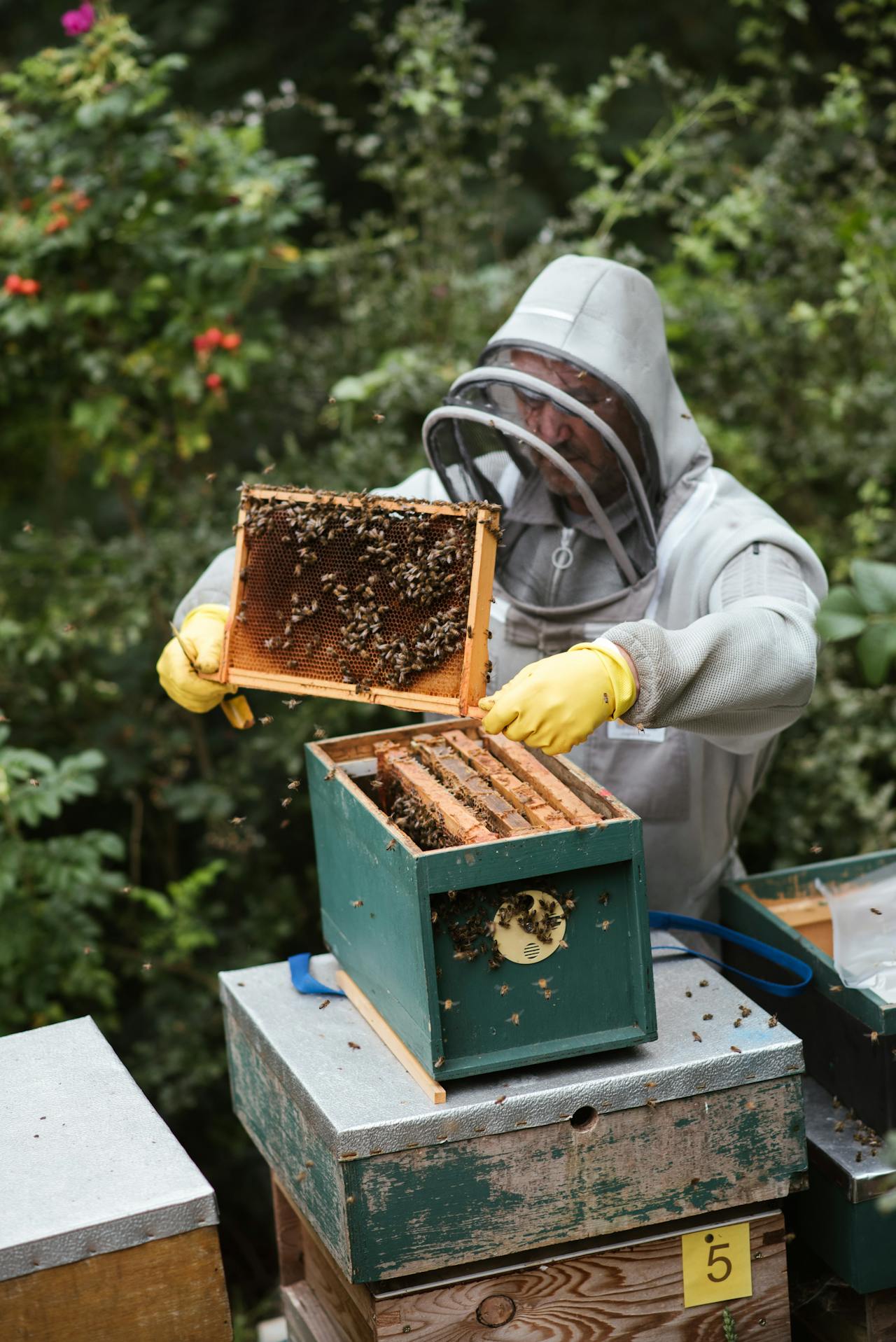
Inspections are essential for identifying issues before they escalate. Beginners should check for brood patterns, food stores, and signs of disease. Inspections should be calm and deliberate to avoid alarming the bees. Excessive inspections can disrupt hive balance, so moderation is important. Keeping notes helps track changes over time.
Feeding Bees When Necessary
While bees naturally collect nectar, supplemental feeding may be needed during shortages. Early spring, late fall, or drought conditions often require intervention. Sugar syrup or pollen substitutes support colony nutrition during challenging periods. Feeding should align with seasonal needs. Proper feeding helps prevent starvation and stress.
Monitoring for Pests and Disease
Pests and disease are common challenges in beekeeping. Mites, beetles, and fungal infections can weaken colonies if untreated. Early detection allows for timely management. Clean equipment and good hive hygiene reduce risks. Regular monitoring is one of the most important responsibilities of a beekeeper.
Using the Right Tools and Protective Gear
Appropriate equipment makes bee care safer and more effective. Protective suits, gloves, and hive tools help prevent injury and damage to the hive. New beekeepers should invest in reliable Mann Lake bee supplies to ensure comfort and durability. Quality tools improve confidence during inspections. Proper gear encourages consistent hive care.
Understanding Seasonal Bee Care
Bee care varies throughout the year. Spring focuses on growth and population expansion. Summer requires monitoring honey production and ventilation. Fall preparation ensures sufficient food and insulation for winter. Winter care involves minimal disturbance while checking hive security. Seasonal awareness supports colony survival.
Maintaining Hive Cleanliness
Clean hives promote healthier bees. Removing debris and replacing damaged components reduces disease risk. Proper storage of unused equipment prevents contamination. Regular maintenance extends the life of hive materials. Cleanliness contributes to overall hive resilience.
Learning to Read Bee Behavior
Observing bees teaches valuable lessons about hive health. Calm, steady activity often indicates stability. Aggression, lethargy, or unusual absence may signal problems. Listening to hive sounds can also provide clues. Behavior observation improves decision making.
Seeking Education and Support
Beekeeping is a skill built through learning and experience. Beginner classes, books, and local associations offer valuable guidance. Mentorship accelerates understanding and confidence. Asking questions prevents unnecessary mistakes. Continuous learning is key to successful care.
Conclusion
Caring for bees requires patience, observation, and commitment. Beginners who focus on fundamental principles create healthier colonies. Proper placement, inspections, and seasonal awareness make a significant difference. Learning from experience strengthens long–term success. With attentive care, bees can thrive and reward their keepers in many ways.