
Household Plumbing Problems: Causes and Early Warning Signs
Plumbing systems are one of the most important parts of a home. They provide clean water, remove waste, and support everyday tasks such as cooking, cleaning, and bathing. Because plumbing works quietly behind walls and under floors, many homeowners rarely think about it until something goes wrong.
Unfortunately, plumbing problems often begin with small warning signs. A slow drain, a dripping faucet, or an unusual smell from a sink may seem minor at first. However, these early signals often indicate deeper issues developing within pipes or fixtures.
Understanding the causes and early warning signs of common plumbing issues can help homeowners act before small problems become major repairs. With early detection and proper maintenance, many plumbing failures can be prevented entirely.
In this guide, we explore the most frequent household plumbing problems, their causes, and the warning signs every homeowner should watch for.
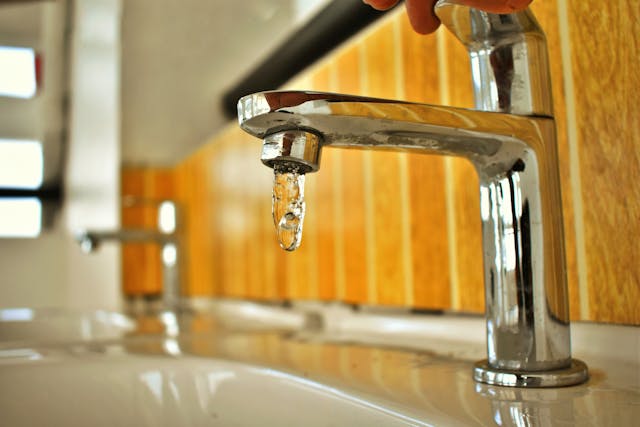
1. The Persistent Drip: Why Leaking Faucets Are More Serious Than They Seem
A dripping faucet may appear harmless, but it is one of the most common plumbing problems found in homes. Even a slow drip can waste large amounts of water over time and increase monthly utility bills.
Leaks typically occur when internal components wear out. Rubber washers, seals, or cartridges inside the faucet can deteriorate due to constant use and water pressure.
Common causes of leaking faucets include:
- Worn-out washers
- Damaged O-rings
- Corroded valve seats
- High water pressure
Early warning signs of faucet leaks often include a steady drip, moisture around the base of the faucet, or difficulty shutting off water completely.
Repairing these issues early helps prevent water waste and protects fixtures from further damage.
2. Slow Drains and Stubborn Clogs
Drain clogs are among the most frequent household plumbing complaints. Over time, debris accumulates inside pipes and restricts water flow.
Kitchen sinks often collect grease, food particles, and soap residue. Bathroom drains frequently become blocked by hair, toothpaste, and personal care products.
Typical materials responsible for drain clogs include:
- Cooking grease and oils
- Hair and soap buildup
- Food scraps and coffee grounds
- Paper products and wipes
The first warning sign of drain trouble is usually slow drainage. Water may take longer than usual to empty from sinks or bathtubs.
Ignoring slow drains can lead to complete blockages. Eventually, water may back up into sinks or showers, creating both inconvenience and sanitation concerns.
Addressing early signs of common plumbing issues helps prevent more severe drain problems.
3. Low Water Pressure: When Flow Begins to Fade
Water pressure plays a major role in everyday household comfort. When pressure drops, simple activities such as showering or washing dishes become frustrating.
Low water pressure may occur gradually or suddenly depending on the underlying cause. Several factors can contribute to this issue.
Common reasons for reduced water pressure include:
- Mineral buildup inside pipes
- Hidden leaks in plumbing lines
- Partially closed shut-off valves
- Aging or corroded pipes
Homeowners may first notice weak water flow from faucets or showerheads. In some cases, only certain areas of the home may be affected.
Low pressure often signals a deeper plumbing issue that requires investigation. Identifying the source early helps restore proper water flow and prevents additional damage.
4. Hidden Pipe Leaks Behind Walls and Floors
One of the most concerning plumbing problems is hidden pipe leakage. Because these leaks occur out of sight, they can remain undetected for long periods.
Small leaks inside walls or under floors can cause serious structural damage. Moisture encourages mold growth and weakens building materials over time.
Early warning signs of hidden leaks include:
- Unexplained increases in water bills
- Damp or discolored walls and ceilings
- Musty odors inside rooms
- Warped flooring or peeling paint
These symptoms often indicate that water is escaping from pipes behind the surfaces.
Prompt investigation is essential. Detecting hidden leaks early helps prevent costly repairs and protects the home from moisture damage.
5. Running Toilets and Wasted Water
A running toilet is another example of common plumbing issues that homeowners often overlook. When a toilet continues running after flushing, water flows constantly from the tank into the bowl.
Although the sound may seem minor, a running toilet can waste hundreds of gallons of water each day.
Several mechanical problems can cause this issue, including worn flapper valves or faulty float mechanisms.
Signs of a running toilet include:
- Continuous water movement in the bowl
- Hissing sounds inside the tank
- Frequent need to adjust the handle
- Water refilling long after flushing
Repairing toilet components quickly prevents water waste and reduces utility costs.
6. Water Heater Troubles and Temperature Changes
Water heaters play a crucial role in household comfort. When they malfunction, daily routines such as bathing and cleaning become difficult.
Over time, sediment and mineral deposits can accumulate inside the water heater tank. This buildup reduces heating efficiency and may cause unusual noises.
Common warning signs of water heater problems include:
- Inconsistent hot water supply
- Water is taking longer to heat
- Rumbling or popping sounds from the tank
- Rust-colored water from hot taps
Ignoring these symptoms can shorten the lifespan of the water heater.
Routine maintenance helps remove sediment buildup and ensures reliable hot water throughout the home.
7. Sewer Line Problems and Foul Odors
Sewer line issues are among the most serious plumbing problems homeowners can face. When the sewer line becomes blocked or damaged, wastewater cannot flow properly away from the home.
Several factors may contribute to sewer line problems, including tree root intrusion and pipe deterioration.
Early warning signs of sewer line trouble may include:
- Strong odors coming from drains
- Multiple drains clogging simultaneously
- Water backing up in sinks or bathtubs
- Gurgling sounds from pipes
These symptms often indicate that wastewater flow is being restricted.
Professional inspection may be necessary to identify the exact cause and prevent further complications.
In Conclusion
Plumbing systems are essential for maintaining a comfortable and functional home. While many issues develop gradually, recognizing early warning signs allows homeowners to respond quickly.
Leaks, slow drains, running toilets, and low water pressure often begin as small inconveniences. However, if ignored, they can lead to expensive repairs and structural damage.
By understanding the causes of common plumbing issues and monitoring early symptoms, homeowners can take proactive steps to protect their plumbing systems.
Routine maintenance, careful water usage, and professional inspections all contribute to a reliable and efficient plumbing system.
With proper awareness and timely action, many household plumbing problems can be prevented long before they become serious concerns.