

How to Make Your Own Eco-Friendly Cleaning Supplies
Ever opened the cupboard under your sink and had three bottles of blue liquid come tumbling out? You duck, dodge, and somehow end up with a half-empty bottle of ‘Ultra Power Multi-Surface Miracle’ that expired in 2019.
Most of us have accumulated so many cleaning products that we’ve lost track of what half of them even do.
So, if you’re ready to ditch those chemical cocktails and make your own effective, eco-friendly cleaners, here’s how to get started.
Why Switch to DIY Cleaners?
Before you start mixing things like you’re in a science lab, it’s worth knowing why making your own cleaners is actually worth your time.
First up, we have the environmental impact. Most shop-bought cleaners contain ingredients that pollute waterways and harm wildlife. The plastic packaging doesn’t help either, especially here in the UK, where plastic waste is already a serious issue.
Then there’s your health. Chemical fumes can trigger allergies and breathing issues. If you’ve got kids, pets, or anyone sensitive to strong scents sharing your space, gentler homemade options can feel noticeably easier to live with.
So, you won’t need to fling open every window in the middle of January just to survive cleaning the bathroom.
And here’s the kicker—they’re much cheaper. You’re probably already sitting on most of the ingredients you need, which means you can skip the overpriced ‘eco-friendly’ aisle at the supermarket.
What You’ll Need
The beauty of DIY cleaning supplies is that the ingredient list is refreshingly short—no thirty-syllable chemicals or numbered additives here.
White vinegar is your workhorse. It cuts through grease, kills germs, and tackles bad smells without you breaking a sweat. Baking soda handles the scrubbing and stain removal like an absolute champion.
Essential oils aren’t just for making things smell lovely. Tea tree, lavender, and eucalyptus all have antibacterial properties, so they can clean surfaces and make your bathroom smell like a spa at the same time.
If you’re missing something, don’t panic. Lemon juice can stand in for vinegar, and cornflour works as a gentler alternative to baking soda on delicate surfaces. Mix and match until you find what works for your home.
Making an All-Purpose Cleaner
Let’s start with the big one—the cleaner you’ll use every single day.
Grab a clean spray bottle and mix equal parts white vinegar and water. About 250 ml of each should do nicely. You can use this mixture on your kitchen counters, bathroom tiles, and any hard surface that needs a quick wipe.
If you’d like a lighter scent, add 10–15 drops of an essential oil such as lemon or lavender. They’ll make the mixture smell fresher, but keep your expectations realistic; the main cleaning power still comes from the vinegar itself.
Spray your mix lightly, wipe the surface with a reusable cloth, and you’re done. It’s quick, inexpensive, and ideal for everyday maintenance.
Just avoid using vinegar on natural stone like marble or granite, as the acidity can dull the surface over time.
Creating a Streak-Free Glass Cleaner
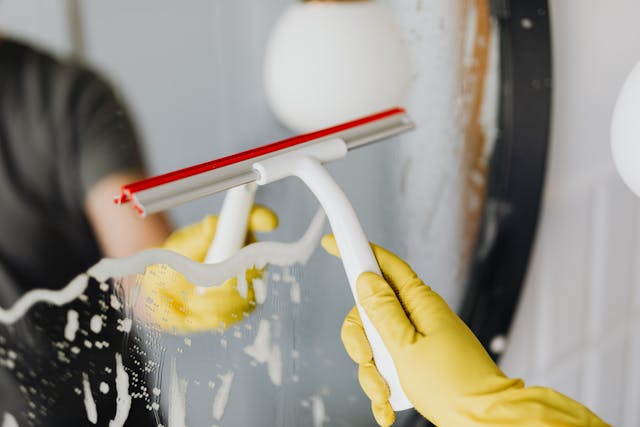
Windows and mirrors have a special talent for looking worse after you’ve just cleaned them. One wrong spray, and suddenly the streaks are centre stage. Luckily, this homemade version will sort them right out.
Mix equal parts distilled white vinegar and water in a spray bottle. The vinegar will cut through grime and leave the glass sparkling without any streaks.
For extra cleaning power and a lovely citrus scent, add a few drops of lemon or orange essential oil. They’ll help break down stubborn marks and make these surfaces smell significantly better.
Also, use a microfibre cloth instead of paper towels. They’re reusable, waste-free, and genuinely better at preventing streaks. Plus, you’ll save a fortune on kitchen roll.
When you’re cleaning, avoid direct sunlight, as it can make the cleaner dry too quickly and leave streaks. Work in circular motions, and you’ll get a perfect finish every time.
Mixing a Natural Disinfectant
Sometimes you need something a bit stronger, especially in bathrooms or after someone has been ill.
Combine equal parts white vinegar and water in a spray bottle, then add 20 drops of tea tree oil. Tea tree extract has both antibacterial and antifungal properties, making it brilliant for disinfecting surfaces.
You can also throw in a few drops of eucalyptus or thyme oil if you fancy. Both have excellent antimicrobial properties and smell far nicer than bleach.
Store this one in a dark place to keep the essential oils potent. Give the bottle a gentle shake before using it, spray liberally on surfaces, and let it sit for 10 minutes to kill germs. Then, wipe the surfaces clean with a cloth.
Whipping Up a Stain-Busting Scrub
For those stubborn marks that refuse to budge, you need something with a bit of grit.
Mix half a cup of baking soda with a quarter cup of castile soap in a bowl. Baking soda provides the scrubbing power, while castile soap helps break down built-up grime.
Add a few drops of peppermint or eucalyptus essential oil for fragrance and extra cleaning power. They smell brilliant and help the mixture work even better.
This scrub is perfect for sinks, tubs, and tiles where grime tends to build up. Just don’t use it on delicate surfaces, like wood or natural stone, since it can scratch them.
Apply it to the stain, let it sit for 15 minutes, then scrub away. This will give the mixture a chance to work its magic.
Storing Your Creations
Once you’ve made your cleaners, you need to store them properly so they actually last.
Glass containers are your best bet. They prevent plastic waste, don’t react with your ingredients, and keep everything potent for longer. Plus, they look significantly better than a random collection of old spray bottles.
Label everything with the name and date you made it. This will prevent confusion and help you keep track of when things might be past their best.
Finally, store them in a cool, dark place—a cupboard or pantry works perfectly. Heat and sunlight can break down the ingredients and reduce their effectiveness, so avoid windowsills or any warm areas.
When to Call in the Professionals
Natural mixtures are excellent in most cases. But sometimes, DIY just doesn’t cut it. Whether you’re dealing with a deep clean, stubborn built-up grime, post-renovation dust, or just a week where you’re running on fumes, those are all perfectly valid reasons to get help.
If you’re considering professional cleaning services, many companies across the UK now offer eco-friendly options.
They use sustainable products and methods, so you get a spotless home without compromising your values.
It’s worth asking what products they use before booking. A good service will happily discuss their techniques and may even be willing to use your homemade cleaners if you prefer.
Conclusion
You now have your very own arsenal of eco-friendly cleaners, all made from things you already own.
You’ve ditched the harsh chemicals, saved yourself a small fortune, and reduced your plastic waste in one fell swoop. So, give yourself a pat on the back and enjoy a cuppa. You’ve earned it.